

On X
below is a retrospective on our 2nd release, the TRMNL X. i'm sharing things we (i) didn't do well in an effort to help other hardware founders make wiser decisions.
TL;DR
we announced X in July 2025, began shipping in March 2026, and (finally) finished 99% of the backlog a few weeks ago. our intention was to begin fulfillment in December 2025 and process all preorders in 60 days. a detailed recap is here.
along the way we also made risky design choices that are only starting to pay off this month. fraudulent suppliers stole from us, inventory was stuck in Customs for months, some components cost 4x the original quotes after factoring in Tariffs spikes and express freight. oh, and X firmware is still playing catch up with the hardware's specs.
is bigger boring?
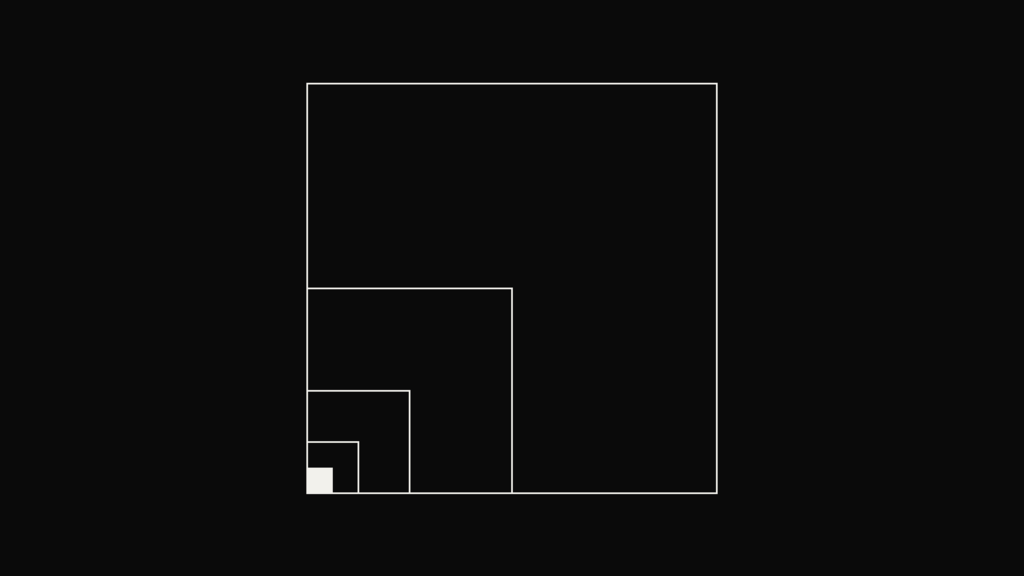
our first device, the 7.5" black/white OG, was more successful than i anticipated. thus the inevitable "product line extension" debate happened sooner than we were ready for it. and we may have failed the second-system effect.
when something of size N performs its job well, one interpretation of what should come next is an N*Y version 2.0. make it bigger, maybe increase the battery capacity, profit.
we resisted the urge. Clayton Christensen's Innovator's Dilemma is a masterclass for this kind of strategic discussion, but essentially there are two options. you can iterate and make things a bit better each go-round, or you can disrupt and skip several steps at once. except the 2nd option promises a lot more, because instead of merely achieving the eventual conclusion of iteration, you actually create a new market (demand) for your product that otherwise wouldn't materialize.
so we made the X bigger, more powerful, and gave it bells/whistles like an accelerometer. we "innovated." and to some extent this worked: TRMNL X is in thousands of living rooms and kitchens, used by the entire family. OG is mostly for individuals and tinkerers. but every market has a cost.
unnecessary complexity
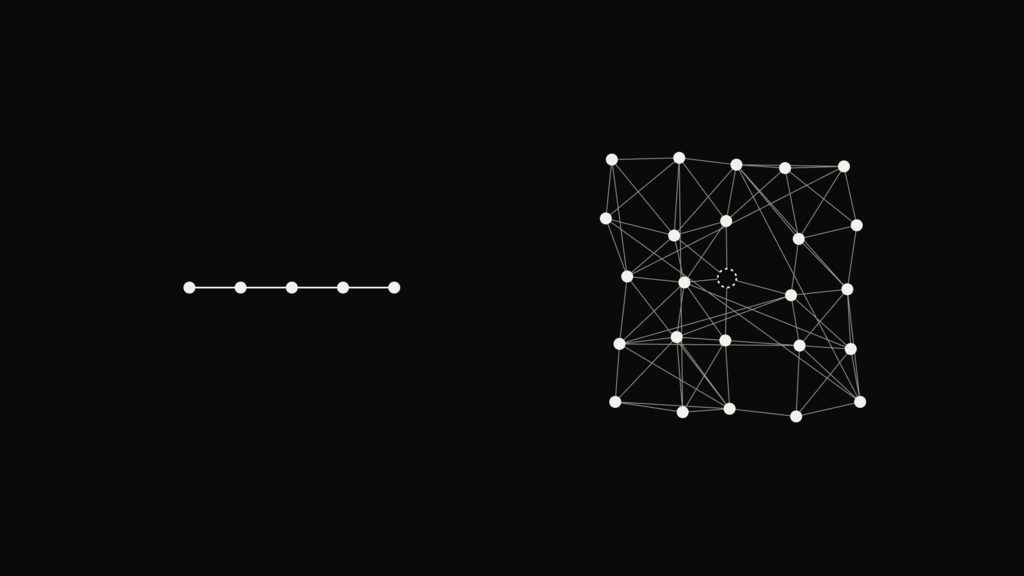
i think part of why the OG is successful is its simplicity. not only for customers, which is critical, but perhaps even moreso to our supply chain management and assembly operation.
we can teach someone to build an OG in half an hour. meanwhile it takes weeks to get the hang of building an X. this slowed down hiring and increased costs. the X also has ~25 components compared to the OG's ~5. which means 5 times the probability that fulfillment will grind to a halt if a single component goes missing (see: gets lost in the warehouse).
and don't get me started on waterproofing. approximately 3x customers asked us for a device they could safely mount to their boat. but we engineered gaskets and grommets and removed common device features (on/off switch!) to satisfy an engineering wish list item. it was dumb, and i take responsibility for that mistake.
dependency overload
i'm proud we do logistics in-house. we run our own warehouses, have dedicated assembly team members, and maintain fulfillment software end to end with zero 3rd party subscriptions beside a web server.
but. on the physical goods side of things we're fully dependent on 3rd party suppliers. screws, plastic, silicone, packaging, tape, everything comes from somewhere else. i will not allow this in future products, which you'll learn more about next week.
there's an initiative to "re-industrialize America" in which we're soon going to take part. i want to know where materials come from, who made them, and whether they were paid a reasonable wage to do so. the endless stream of invoices for Duty fees and air express freight from 1000s of miles away has to stop.
aspirational specs
i'm inspired by hardware makers who pack more "punch" in their product than it can actually support on day 1. this is not a new thing, video game consoles and self-driving cars have been doing it for several years.
we did the same with BLE support, a 5 GHz Wi-Fi modem, accelerometer, and a fancy touchbar inside the X. some progress on these:
- BLE, not yet in use but our iOS app will soon tap into it
- 5 GHz, live on X but not as stable as 2.4 GHz connections
- accelerometer, not yet in use but a PR is up
- touchbar, single worst X feature, recently made 10x better with an interactive menu screen
- GPIO, not yet in use but we've ordered a batch of Power over Ethernet + smart home I/O accessory boards
lessons learned
sometimes it's OK to make something "like the last one, but bigger." crossing the chasm (Moore) can have tremendous benefits, but the journey can also kill you.
building TRMNL has been the experience of a lifetime. upcoming products will combine the simplicity of OG with the sophistication of X. stay tuned for our next release, next week. it's going to be big.
